


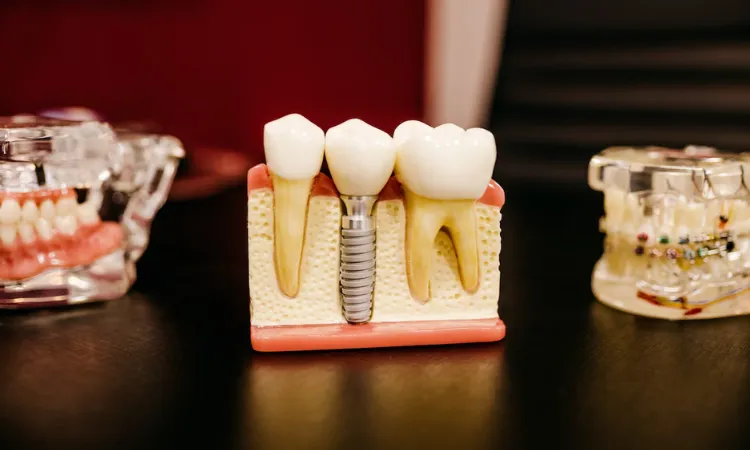
Types of Dental Implants

Endosteal Implants:
Common and widely used, endosteal implants involve surgically placing titanium screws directly into the jawbone. Ideal for patients with good jawbone health, they provide a sturdy foundation for dental crowns, bridges, or dentures.
Subperiosteal Implants:
Suitable for patients with reduced jawbone density, subperiosteal implants rest on or above the jawbone beneath the gum tissue. A metal frame with posts supports the dental prosthesis, offering stability and functionality.
Zygomatic Implants:
Specifically designed for patients with significant bone loss in the upper jaw, zygomatic implants anchor into the cheekbone (zygomatic bone). This technique bypasses the need for bone grafting and provides a secure base for replacement teeth.
All-on-4® Implants:
Offering a full arch of teeth replacement, All-on-4® implants use four strategically positioned implants to support a fixed dental prosthesis.
This efficient solution provides immediate functionality, saving time and reducing the number of required implants.
Mini Dental Implants (MDIs):
Smaller in diameter than standard implants, MDIs are suitable for patients with limited bone density or smaller spaces between teeth. Often used to stabilize dentures or as a less invasive option for single-tooth replacement.
Immediate Load Dental Implants:
Also known as same-day implants, this technique allows for the placement of a temporary dental prosthesis on the same day as implant surgery.
Provides immediate functionality and aesthetics, reducing waiting time for a complete smile.
Each type of dental implant comes with distinct advantages, and the choice depends on the patient’s jawbone health, bone structure, and specific dental needs.
Consult with a qualified dental professional to determine the most suitable dental implant type to restore your smile and improve your overall oral health. With the right choice, dental implants can provide a long-lasting, confident smile that enhances your quality of life.